

Stories
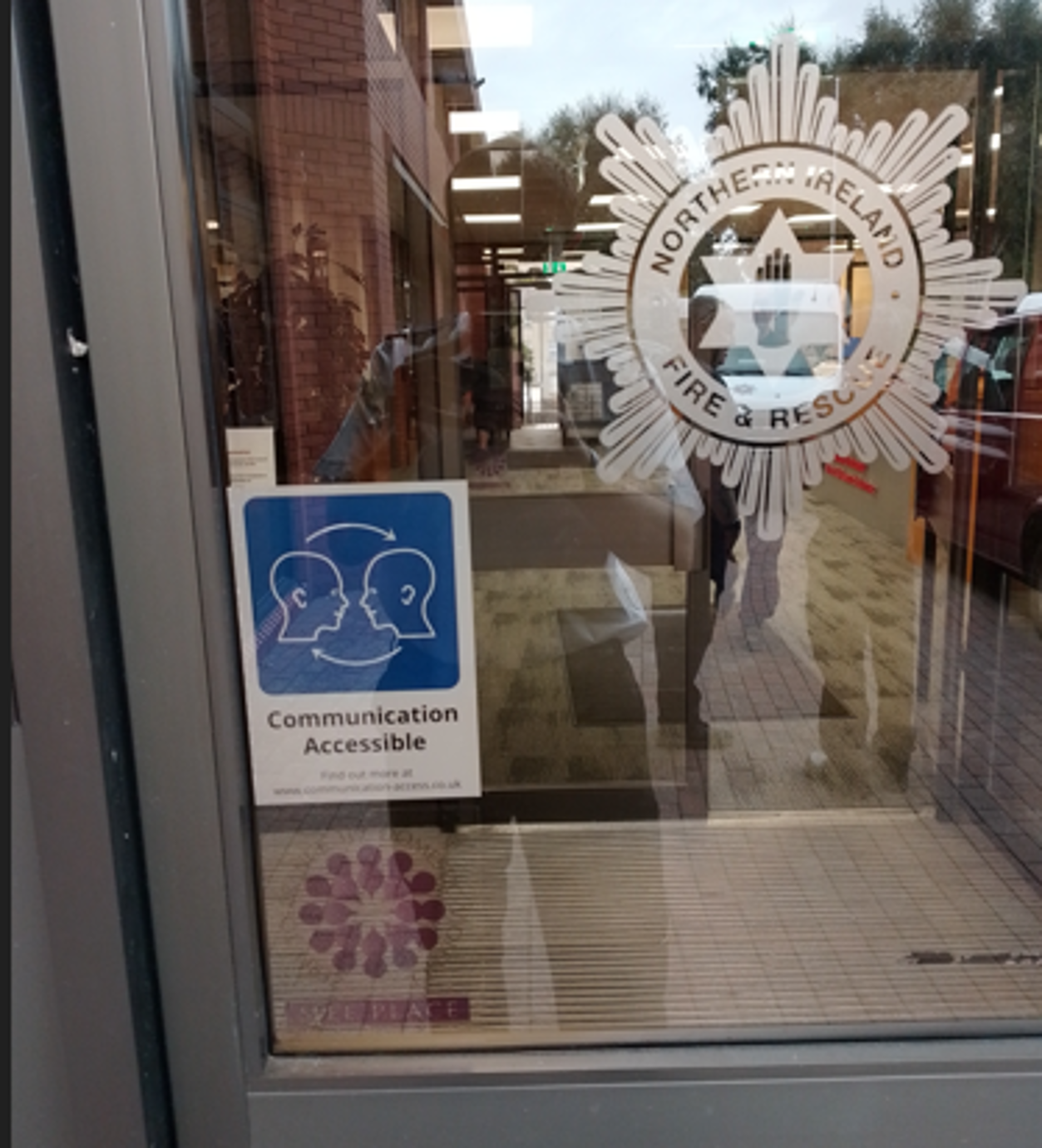
🔊 Leading with Access: NIFRS Champions Inclusive Communication
🔊 Leading with Access: NIFRS Champions Inclusive Communication
The Northern Ireland Fire & Rescue Service (NIFRS) has taken a bold step forward in embedding inclusive communication across its organisation. Through a comprehensive Year 1 pilot project supported by Communication Access UK, NIFRS has demonstrated how targeted training, strategic leadership, and evidence-based evaluation can transform workplace culture and service delivery.
🚒 Why Communication Access Matters
Communication Access accreditation is more than a badge—it’s a commitment to removing barriers that prevent people with communication differences from participating fully in society. For NIFRS, this means ensuring staff are equipped to support colleagues, service users, and the public through clear, respectful, and adaptable communication.
The initiative is championed by senior leadership and embedded into performance standards, reinforcing that communication accessibility is a core organisational value—not a side project.
📊 What Changed: Evidence from Year 1
The Year 1 Project Report and accompanying presentation reveal a strong impact across both quantitative and qualitative measures:
- Confidence Boost: 38 staff from RCC and NIFRS HQ completed face-to-face training. Post-training surveys showed marked improvements in confidence across written, verbal, and telephone interactions.
- Awareness and Skills: Staff reported increased understanding of communication barriers and valued practical strategies—especially the TALK principles and real-world examples.
- Mindset Shift: Qualitative feedback highlighted a cultural shift: staff now see communication access as a shared responsibility, not just a technical skill.
“I now know how to approach someone with communication difficulties. Before I hesitated; now, I’m confident.” — NIFRS staff member
🧠 Learning from Best Practice
The project also drew insights from the University of East Anglia, the UK’s first Communication Accessible accredited university. UEA’s tailored training, inclusive curriculum design, and student-centred initiatives provided a model for NIFRS to adapt within an emergency services context.
🔄 What’s Next: Year 2 Objectives
Building on Year 1’s success, NIFRS aims to:
- Expand training across departments using a “train the trainer” model
- Increase visibility of the Communication Access symbol
- Develop assessment tools for leaders to identify training needs
- Engage newly promoted Incident Commanders in accessibility training
A phased approach will ensure scalability while maintaining relevance to each department’s unique needs.
📁 Read the Full Report and Presentation
For a deeper dive into the findings, methodology, and strategic recommendations, explore the full documents:
- 📄 Year 1 Project Report
- 📊 Presentation Slides
🌍 UEA Champions Inclusive Communication: A Story of Leadership and Impact
🌍 UEA Champions Inclusive Communication: A Story of Leadership and Impact
Since 2022, the University of East Anglia (UEA) has been leading the way in creating a more inclusive communication environment. Under the guidance of Associate Professor Lauren Flannery—a Specialist Speech and Language Therapist—the university launched the Communication Access Project (CAP), embedding Communication Access UK (CAUK) training across campus.
UEA is proud to be the first UK university to achieve CAUK accreditation, now maintained for three consecutive years.
📊 Key Highlights:
- Speech, Language and Communication Needs (SLCN) affect nearly 20% of the population—equating to over 4,000 individuals at UEA.
- Training reach: More than 450 staff and students have completed CAUK training.
- Campaign impact: A film campaign reached over 96,000 followers and engaged more than 29,000 students.
- Measured outcomes (N=337):
- Awareness of communication challenges rose from 76% to 97%.
- Confidence in communicating increased from 55% to 90%.
- Ability to adapt communication improved from 70% to 94%.
- All improvements were statistically significant (p < 0.0001).
🎥 The initiative was amplified through a powerful film campaign featuring British Sign Language and captions, ensuring accessibility for all. The Communication Access symbol is now visible across campus, supported by a QR code linking directly to training resources.
💬 Feedback from students, staff, and external partners highlights the initiative’s transformative impact—reducing stigma, reshaping teaching practices, and fostering a culture of belonging. The ripple effect has reached other institutions, including the University of Westminster and Edinburgh Napier University.
🏅 Lauren’s leadership has been recognised nationally, earning awards such as the UEA Engagement Project Award (2024), Faculty Research Impact Award (2023), and the Change H.E. Award (2025).
This story is a testament to what’s possible when inclusive values, evidence-based training, and collaborative leadership come together to remove barriers and create lasting change in higher education.
🏴 Empowering Dundee: A City-Wide Commitment to Communication Accessibility
🏴 Empowering Dundee: A City-Wide Commitment to Communication Accessibility
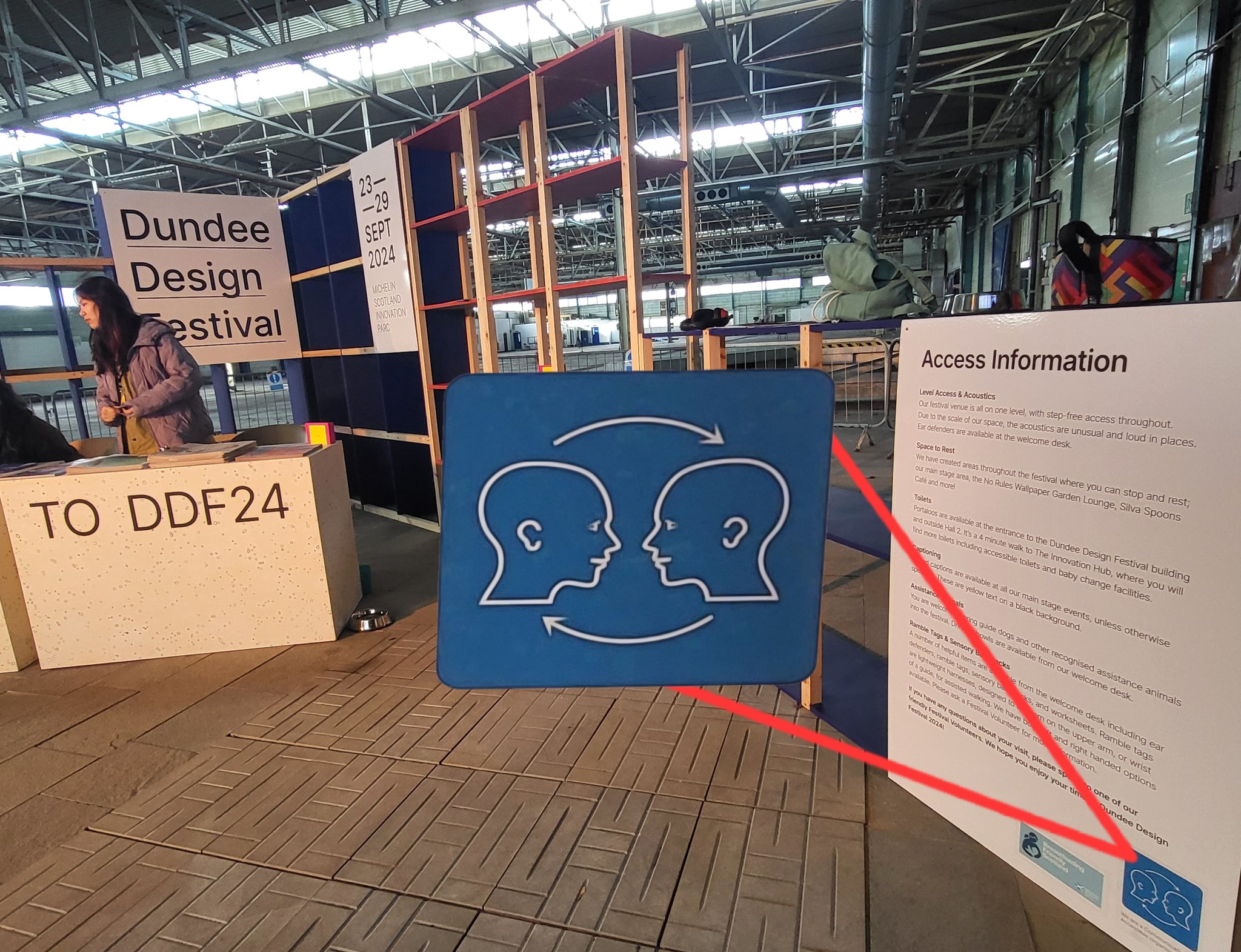
Dundee has emerged as a powerful example of what’s possible when a city commits to inclusive communication. Between 2024 and 2025, a coordinated rollout of Communication Access UK training transformed how public, cultural, and hospitality sectors engage with people who have communication difficulties. This initiative not only fulfilled Equality, Diversity, and Inclusion (EDI) goals—it reshaped the city’s approach to accessibility.
🔗 Read the full case study: Implementing Communication Access UK Training in Dundee (2024–2025)
🌟 A Collaborative Movement
The Dundee initiative was driven by a dynamic coalition of speech and language therapists, researchers, cultural leaders, and community advocates. Key contributors included:
- Abi Roper (City St George’s, University of London Research Fellow)
- Amy Hanschell and Sarah Heatley (Tayside NHS SLTs)
- Community partners such as Speakability Tayside, Dundee Contemporary Arts (DCA), Dundee UNESCO City of Design, and the University of Dundee
Together, they targeted a wide range of professionals—from frontline staff and HR teams to event volunteers and tourism stakeholders—ensuring that communication access was embedded across sectors.
🎯 Strategic Implementation
The training was offered free of charge and promoted through a mix of grassroots engagement and strategic messaging:
- SLTs reached out directly to businesses and charities, using presentations, emails, and personal conversations.
- Early adopters like DCA and Dundee Design Festival were spotlighted to spark competitive momentum.
- Influential figures such as Tracy Duncan (Dundee City Region Convention Bureau) championed the initiative, helping build trust and visibility.
- Human stories—especially those shared by Speakability Tayside—brought the issue to life, highlighting the real-world impact of communication barriers.
📈 Outcomes That Matter
The results speak volumes:
- Staff and volunteers across major venues completed the training, with more organizations committing to follow suit.
- The initiative reached sectors including heritage, education, hospitality, and tourism.
- Public awareness of conditions like aphasia grew, and staff gained practical tools to support individuals with communication challenges.
💡 Lessons for Future Rollouts
Dundee’s experience offers valuable insights for other cities and organizations:
- Setting clear deadlines and offering incentives—such as positive publicity—helped drive participation.
- Securing support from influential local leaders built credibility and sustained momentum.
- Sharing real-life stories made the need for communication access personal and compelling.
One standout example: Dundee Contemporary Arts, a long-time venue for Speakability Tayside, embraced the training early on—demonstrating how longstanding relationships can catalyse change.
💬 Why It Matters
Communication access isn’t just a training module—it’s a mindset. Dundee’s story shows how cities can lead with empathy, strategy, and collaboration. By equipping staff with the tools to support people with communication difficulties, Dundee has taken a bold step toward a more inclusive future.
Communication Access UK in Action: EMR’s TALK Cards Empower Passengers with Communication Needs
Communication Access UK in Action: EMR’s TALK Cards Empower Passengers with Communication Needs
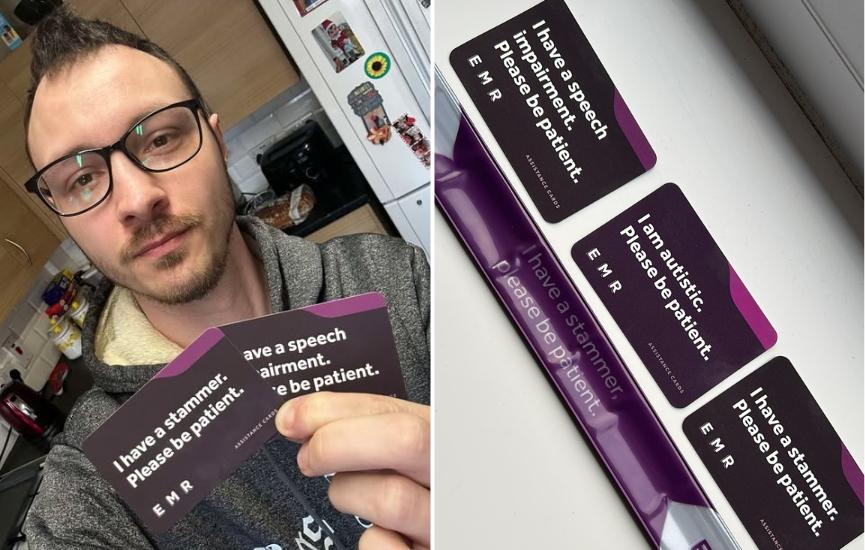
East Midlands Railway (EMR) has distributed over 600 TALK Cards since launching the initiative in collaboration with Communication Access UK—an effort that’s transforming how passengers with communication difficulties are supported across the rail network.
These cards, developed using Communication Access UK’s inclusive communication standards, feature simple prompts like “Please face me and speak clearly” or “I have a speech impairment, please be patient.” Staff across EMR stations have completed Communication Access eLearning, ensuring they respond with empathy, clarity, and respect.
One standout example is Jamie Lewis Rennie, a passenger who stammers. After discovering EMR’s TALK Cards online, Jamie noticed there wasn’t one tailored for speech impairments. He reached out—and EMR responded swiftly, creating a new card that reads: “I have a stammer/I have a speech impairment, please be patient.” Jamie later received a wristband too, and shared: “I’ve travelled on my own since and shown my card to the team—honestly, the staff were amazing!”
The initiative has been widely praised in RailAdvent and Marketing Derby, with over 500 cards issued in the first few months alone. EMR’s Access & Inclusion Customer Panel played a key role in shaping the prompts, and the TALK Card case study presentation outlines how Communication Access UK’s framework guided every step—from staff training to card design and rollout.
From the UK to Rwanda: Communication Access Principles Supporting Refugees
From the UK to Rwanda: Communication Access Principles Supporting Refugees
UNHCR Rwanda has taken Communication Access UK’s TALK principles— Time, Ask what helps, Listen, Keep trying—and brought them to life in refugee communities, demonstrating their power far beyond UK borders.
In collaboration with Manchester Metropolitan University and Communicability Global, UNHCR adapted the Communication Access UK training to meet the needs of refugees with communication disabilities in Rwanda. Through a human-centred design approach and a Training of Trainers model, both service providers and refugees were equipped with practical tools to foster inclusive, respectful communication.
This case study highlights how a UK-born initiative can be scaled globally to promote dignity, access, and inclusion—even in complex humanitarian settings. It’s a powerful example of how simple, low-cost interventions can create lasting change.
Communication Access UK: A Reflection on the Pilot Phase and Early Impact
Communication Access UK: A Reflection on the Pilot Phase and Early Impact
In 2016, Communication Access UK (CAUK) launched a bold initiative to transform how organisations support people with communication difficulties. At the heart of this movement was a simple but powerful idea: a universally recognised symbol paired with free training to foster inclusive communication. The pilot phase—known as the Early Adopters programme—was a proving ground for this model. Two key documents, the Early Adopters Monitoring Report and the Leeds University Interview, offer a compelling look at how the initiative began, what it achieved, and where it’s headed.
The Early Adopters Pilot: Proving the Model Works
The Early Adopters Monitoring Report (Oct 2019) summarises feedback from 30 responses gathered during the second and third quarters of 2019. These responses came from service providers and a small number of service users, offering a snapshot of how the Communication Access Symbol (CAS) and training were received.
Key Findings:
-
- 83% of respondents were providers, indicating strong institutional interest.
- 100% of providers felt confident working with people with communication disabilities.
- 84% found the training useful, with many recommending it to others.
- 64% used the training skills regularly, at least a few times a month
- 80% of service users said their communication needs were supported “definitely” or “to some extent.”
- 100% of service users reported improved experiences compared to previous visits.
- 60% found the symbol “definitely helpful”, with the remaining 40% saying “to some extent.”
The pilot confirmed that the CAS and training were not only well-received but also effective. Staff reported increased confidence, and service users experienced more respectful, attentive interactions. However, the report also flagged a need for greater visibility and promotion of the symbol—an essential next step for broader adoption.
Read the full Early Adopters Monitoring Report
Leeds University: A Trailblazer in Accessible Practice
The University of Leeds was among the first institutions to embrace the CAS during the pilot phase. In an interview with senior managers Anthony Lowe and Davinder Manku, the university outlined its motivations and outcomes.
Why Leeds Got Involved:
- Longstanding experience hosting the Communication Matters conference and charity office.
- Regular engagement with AAC users, including trustees attending board meetings.
- A strong commitment to accessibility through its equality and diversity programme.
Outcomes of the Pilot:
- Staff morale and confidence increased following CAS training.
- Building reviews led to accessibility improvements, including enhanced IT facilities in Lyddon Hall.
- A target was set to award the symbol to 10 buildings by September 2019.
- Rolling training programmes were launched for new and existing staff.
- Cross-departmental awareness grew, prompting broader reviews of communication practices.
Their verdict? “Fantastic.” The CAS initiative didn’t just improve service—it reshaped culture.
Read the Leeds University Monitoring Interview
What We Learned—and What Comes Next
The pilot phase of Communication Access UK proved that the model works. The symbol and training empowered staff, improved service user experiences, and laid the foundation for a national movement. Leeds University’s example shows how institutional commitment can turn a pilot into lasting change.
As CAUK continues to grow, these early stories serve as both inspiration and blueprint. They remind us that communication access isn’t just a policy—it’s a promise.
⚽ Barnsley FC Becomes First Professional Football Club to Earn Communication Access Symbol
⚽ Barnsley FC Becomes First Professional Football Club to Earn Communication Access Symbol
Barnsley Football Club has made history by becoming the first professional football club in the UK to be awarded the Communication Access Symbol—a powerful recognition of its commitment to inclusive communication for all.
The award, presented in November 2021, marks a significant milestone in the club’s ongoing efforts to ensure that every supporter, staff member, and visitor—regardless of communication ability—feels welcomed and understood at Oakwell Stadium.
🗣️ Leading with Inclusion
To achieve this recognition, Barnsley FC completed accredited training through Communication Access UK, equipping staff with the tools and awareness needed to support people with speech, language, and communication needs. The club has also taken steps to improve signage, streamline communication channels, and foster a culture of accessibility across its operations.
Khaled El-Ahmad, Barnsley FC’s Chief Executive Officer, shared his pride in the club’s achievement:
“We want Oakwell to be a place where everyone feels they belong.”
This ethos reflects a growing movement within sport to break down barriers and create spaces where dignity, understanding, and participation are central.
🌍 A Model for Other Clubs
Barnsley FC’s leadership sets a powerful precedent for other clubs and venues across the UK. By embracing inclusive communication, they are not only enhancing the matchday experience—they are championing a broader cultural shift toward accessibility in sport.
Communication Access UK applauds Barnsley FC for its pioneering role and invites other organisations to follow their example.
Skipton Building Society: Proving That Inclusive Communication Changes Lives
Skipton Building Society: Proving That Inclusive Communication Changes Lives
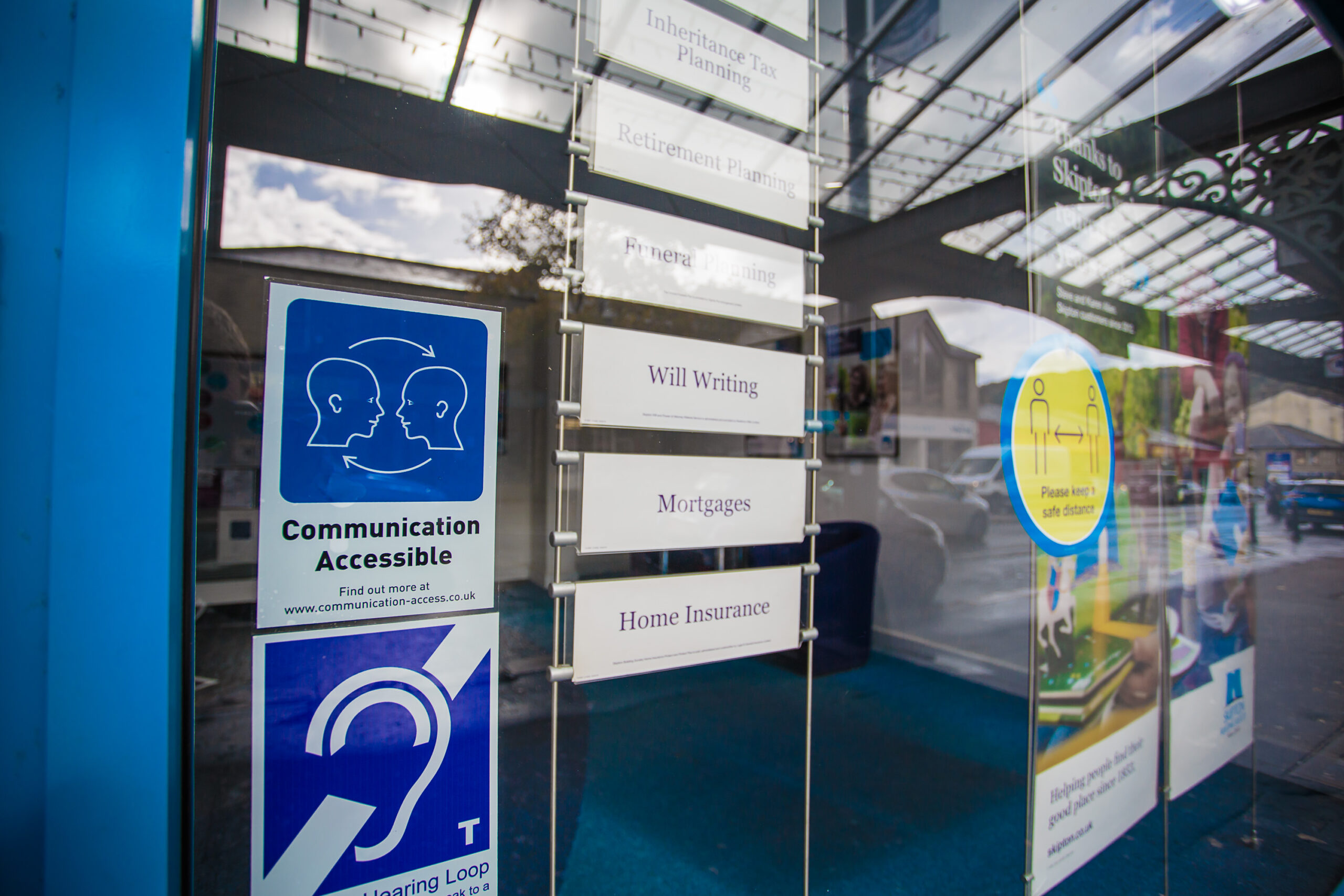
Skipton Building Society didn’t just adopt the Communication Access Symbol—they activated it. As the only financial services organisation to join the early adopter phase of Communication Access UK, Skipton has shown how inclusive communication can move beyond policy and into powerful, human-centred practice.
From Training to Transformation
Over 1,500 customer-facing colleagues have now completed Communication Access UK training. That’s not just a number—it’s a shift in mindset across an entire organisation. Staff now approach every customer interaction with greater empathy, confidence, and flexibility. And the result? Tangible, life-changing impact.
One story from Skipton’s Keighley branch captures this beautifully. A customer who had experienced a stroke initially communicated using her fingers. Staff discovered she could sing the amount she wanted to withdraw. By listening, adapting, and responding with care, the team built a relationship of trust that brought her family to tears. That moment wasn’t just meaningful—it was transformational.
“The training provided by Communication Access, especially TALK**, has given our colleagues the confidence to approach customers with communication needs and the ability to work with them as individuals to tailor our communication style to their needs,” said Joanne Hall, Keighley Branch Manager.
Impact at Scale
Skipton’s commitment goes beyond individual stories. It’s a blueprint for how financial services—and any customer-facing organisation—can embed accessibility into their culture. By adopting the Communication Access Symbol and investing in staff training, Skipton has created a more inclusive environment for thousands of customers across the UK.
This is what leadership looks like: not just recognising the barriers people face, but actively removing them.
Explore Skipton’s Journey
- Visit Skipton’s Communication Access UK page to learn how they’re making accessibility part of everyday service
- Read the full early adopter case study to see the impact in action
Business leaders discuss the importance of Communication Access UK
Business leaders discuss the importance of Communication Access UK
To mark the launch of the Communication Access Symbol, business leaders from across the UK met to discuss the importance of good communication and how this initiative will improve the lives of people across the UK.
The panel was chaired by Nick Hewer, and hosted by Kamini Gadhok MBE, the President and CEO of the Royal College of Speech and Language Therapists (RCSLT).
They were joined by:
- Kate Nicholls, CEO of UK Hospitality
- Tamara Hill from the British Retail Consortium
- Francis Ingham, the Director General of the Public Relations Communications Association
- Ian Wright, CEO of the Food and Drink Federation
- Johnny Timpson, the Cabinet Office Champion for Insurance and Banking; and
- Craig Goold of Skipton Building Society, an early adopter of the Communication Access Symbol and standards.
The University of Leeds
The University of Leeds
Colleagues at the University of Leeds discuss the value of the Communication Access Symbol and their experience as early adopters of the initiative.
The University of Leeds was the pilot site for the first phase of Communication Access UK.
The Royal College of Speech and Language Therapists
The Royal College of Speech and Language Therapists
Astra is the receptionist at the Royal College of Speech and Language Therapists, one of the country’s first Communication Accessible organisations.
In this video, she talks about the value of communication access training.
